

Dramaturgy For
fragments
by Jim petosa
Directed by judy braha
FRAGMENTS: Pieces of a Crisis from Then, Now, and Beyond
By Dr. Jo Michael Rezes
Fragments is a memory play by Jim Petosa about love, caregiving, illness, queer partnership, and survival during the early years of the HIV/AIDS epidemic. Beginning in 1985 and ending in 1990, the play follows Petosa’s life with Raymond Luis Davila. Petosa describes the work as a series of remembered episodes — “fragments” — moments indelibly etched in the mind and gathered in the play as a testimony to love, grief, and the need to preserve queer memory.
This page gathers dramaturgical materials for audiences who want to learn more about the history, cultural references, and literary traditions surrounding the play.
Click On Each Topic To Expand And Read More
-
Jim Petosa in Conversation with Dramaturg Jo Michael Rezes, Ph.D.
In this conversation, playwright Jim Petosa and dramaturg Jo Michael Rezes discuss the making of FRAGMENTS, transforming memory into theatre, and the play’s relationship to AIDS history and queer literature,and inspirations for the piece. This interview has been edited for clarity and space.I’d like to start by asking you about when you first started to think about collaging these “fragments” into a piece of writing?
For many years, when I would tell the stories to friends and acquaintances, the idea of “putting them together somehow” would often come up by the listener. I told many of these stories for decades, but never had time enough to devote to a sustained effort with them. When life presented the focused time and space to pursue them and created a “piece” it all started to come together.
Some playwrights write “memory plays” they never inhabit, so what does it mean to you as a performer getting to embody these memories as you guide the audience through your story?
I wondered if I was the right person to embody these stories. As a director, primarily, I have an affinity for what an actor does, but I do not have the habits of an actor. But, in exploring this particular piece, I came to believe that I would do them justice and serve an audience in a unique way.
You start the piece with an epigraph from E.M. Forster’s, Howards End (1910): “Death destroys a man, but the idea of death is what saves him.” I won’t destroy the poetry of this provocation by asking you to explain why you invoke this quote. Instead, what is another selection you would consider as an epigraph?
Another selection I considered is a lyric from a Joni Mitchell song….it goes “Love is a story told to a friend. It’s second-hand.” [“Conversation” 1966] I love how this lyric suggests that a love relationship does exist, but its meaning and union is often expressed to another person. The love is identified when it is revealed to a listener hearing the story of the beloved. I liked that idea for this piece.
Audiences might be reminded of other “AIDS plays” in relation to the stories contained here in FRAGMENTS. Are there memoirs or plays centered on the HIV/AIDS crisis, or authors who live(d) and love(d) with the virus, that you deeply admire or from whom you draw inspiration?
My antecedents for this work are Spaulding Grey and his remarkable performance pieces that had a unique way of spinning narrative and engaging an audience. For some time, I thought that the “fragments,” though they weren’t called that yet, could be titled and that those titles could be put on file cards and dumped into a box. I would sit beside the box and randomly pick a card. The title on the card would elicit the story that I would share with an audience extemporaneously. The random nature of it would ensure that no performance would be alike. I still think it is a compelling idea. The other antecedent is Phoebe Waller-Bridge. Her one person version of FLEABAG and its genre mixing, fourth-wall breaking, profoundly funny, absurdly tragic, and willfully confessional melange was an inspiration to me.
What are some literary relationships or love stories you see mirrored in FRAGMENTS?
I am always intrigued by stories where one person’s challenge becomes a shared one. It can be a result of a friendship, a love relationship, a marriage, even a professional relationship. But they all share this moment of choice. When one person agrees to take it on and share all of it. And the resulting epiphanies that come with doing it are unique. Trever and Merrick in THE ELEPHANT MAN, Helen and Annie in THE MIRACLE WORKER, Smike and Nicholas in NICHOLAS NICKLEBY, The relationships inside plays from WAITING FOR GODOT to Steinbeck’s OF MICE AND MEN are just the surface scratchers of the mythos undergirding FRAGMENTS.
If you could ask the audience to engage in a practice after they see the show, what would you hope they do for themselves or others after witnessing these memories on stage?
Pick an episode in your life…one that occurs on a single day. A memory that is so clear for you that when you lived the moment, time itself seemed to slow because the details of the experience were of such a moment! Share that story on a video, or a voice recording, or in words on a page. Go into each detail. Take no shortcuts. Take it to its end. See what you come up with. My guess is that the episode will be worth sharing and that it will have some transcendent meaning that will do something to you, the teller and to the listener, as well.
-
These references function as memory objects: pop culture, places, institutions, technologies, music, and ordinary things that locate Fragments in queer life, AIDS history, domestic intimacy, and late-twentieth-century American culture.
“Wonder Twin Powers. Activate!” — 1970s television reference: A reference to the Wonder Twins from Super Friends, this phrase becomes a private ritual between James and Raymond. In the ICU, after Raymond says he wants to stay with James, they touch their rings together and invoke the phrase as a gesture of partnership, humor, and queer commitment.The Twilight Zone — 1959–1964: James compares the masked, robed, gloved medical staff to something out of The Twilight Zone. The reference captures the surreal terror of the hospital: familiar medicine becomes alien, theatrical, and frightening.
The New York Times — AIDS information culture: In the early years of the epidemic, newspapers were crucial sources of information. The play remembers people turning to mainstream outlets like The New York Times alongside queer community newspapers while trying to distinguish fact from rumor.
The New York Native — 1980–1997: A gay newspaper based in New York, The New York Native represents the importance of queer press networks during the AIDS crisis. Before the internet, such publications helped circulate urgent information, debate, fear, rumor, activism, and community knowledge.
800 Numbers and Hotlines — 1980s crisis support: Before Google, AIDS information often came through telephone hotlines. In Fragments, an 800 number directs James toward a local clinic, where he encounters one of the play’s first figures of queer community care.
NIH / National Institutes of Health — founded 1887; AIDS research era: The National Institutes of Health appears as part of the reason Washington, D.C. seems to offer greater medical possibility. For James and Raymond, proximity to NIH suggests hope, access, and a fighting chance.
AZT / Compound S — 1987: AZT, first known to James and Raymond as Compound S, represents experimental hope in the early treatment landscape. It was one of the first drugs used to treat HIV/AIDS, remembered here as both possibility and difficulty.
Orion / Michael’s Star — 1989: After Michael’s death, James and Raymond choose a star in Orion’s belt as “Michael’s Star,” a place where Raymond can continue speaking to his friend. The night sky becomes a map of mourning and continuing bonds.
Tchaikovsky Violin Concerto — 1878: One of Raymond’s favorite pieces, the Tchaikovsky Violin Concerto appears on the radio during the ambulance drive near the end of Raymond’s life. Because the radio is already tuned to classical music, the moment feels discovered rather than staged — an uncanny sign at the threshold of death.
The Adventures of Ozzie and Harriet — 1952–1966: This mid-century sitcom reference appears in relation to twin beds late in Raymond’s illness. The wholesome domestic image is darkly queered, turning an icon of American family life into a scene of caregiving, separation, comedy, and grief.
Father Knows Best — 1954–1960: Another reference to idealized mid-century domesticity, Father Knows Best contrasts with the realities of queer caregiving, legal exclusion, illness, and chosen kinship.
General Hospital — premiered 1963: The bedroom becomes part sitcom and part soap-opera sickroom. This reference captures the absurdity of ordinary domestic life becoming medicalized.
“Spidey Sense” — Spider-Man, created 1962”: The epilogue uses this comic-book phrase to describe James’s intuitive sense that something is wrong. The reference gives language to grief’s uncanny alert system,
-
This section gathers works that illuminate the play’s themes: AIDS drama, queer memory, chosen kinship, caregiving, illness, literary inheritance, and the art of preserving lives that institutions failed to protect.
E. M. Forster, Howards End — 1910: Forster’s novel asks what people inherit from one another — property, culture, obligation, harm, and connection. Its famous concern with connection resonates deeply with Fragments, a play about how lives are joined across illness, memory, and loss.
Larry Kramer, The Normal Heart — 1985: One of the most influential early AIDS plays, Kramer’s drama channels grief and rage into public accusation. It helped define the AIDS play as a form of activism, testimony, and theatrical emergency.
William M. Hoffman, As Is — 1985: Opening the same year Raymond is diagnosed in Fragments, As Is is among the earliest major American plays to address AIDS directly. It focuses on lovers, friends, fear, abandonment, and care.
Tony Kushner, Angels in America — 1991–1992: Kushner’s epic brings fantasy, politics, humor, rage, and spiritual vision into the landscape of AIDS drama. Its angels, ghosts, and prophetic theatricality offer a useful counterpoint to the intimate memory structure of Fragments.
Paula Vogel, The Baltimore Waltz — 1992: Vogel’s play transforms grief into fantasy, absurdity, travel, and theatrical invention. Like Fragments, it asks how theatre can hold illness and love without reducing either to realism alone.
Sarah Schulman, Let the Record Show: A Political History of ACT UP New York, 1987–1993 — 2021: A major oral history of ACT UP New York, Schulman’s book offers political and activist context for the years surrounding Fragments. It is especially useful for understanding AIDS activism, community networks, and the fight for treatment access.
Matthew López, The Inheritance — 2018: López’s two-part play adapts the structure of Forster’s Howards End to consider what generations of gay men inherit from the AIDS crisis. Like Fragments, it turns toward memory, legacy, queer kinship, and the unfinished work of mourning.
Andrew Haigh, All of Us Strangers — 2023: A contemporary film about queer memory, grief, ghosts, family, and the ache of lives that might have been. It resonates with Fragments through its emotional attention to love, loss, and impossible return.
“Rare Cancer Seen in 41 Homosexuals,” The New York Times — 1981: This infamous headline helped shape early public perception of the epidemic through stigma, fear, and the framing of AIDS as a “gay” disease. It remains a key reference point in histories of AIDS media coverage.
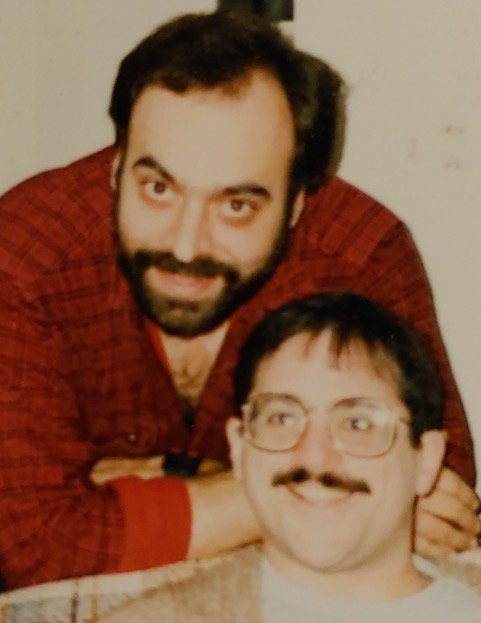
Jim and Raymond
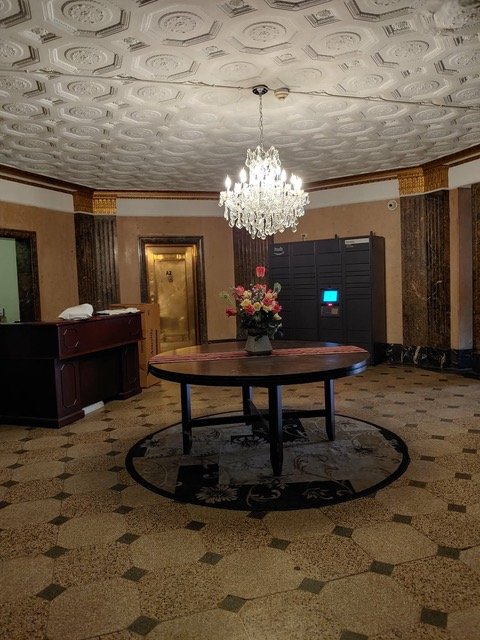
Lobby of the Once Elegant, Now Dilapidated Building
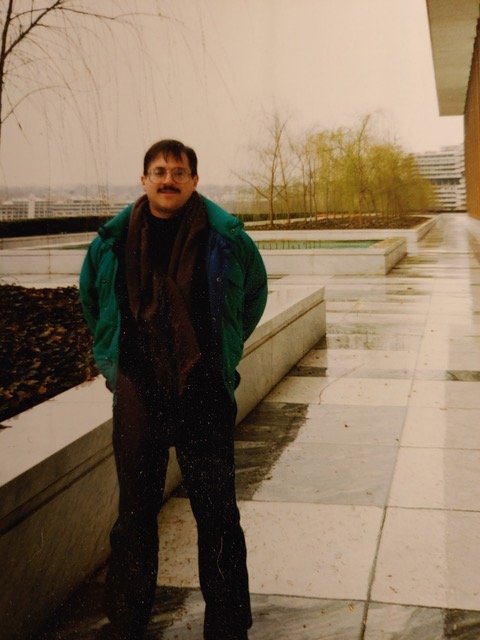
Raymond
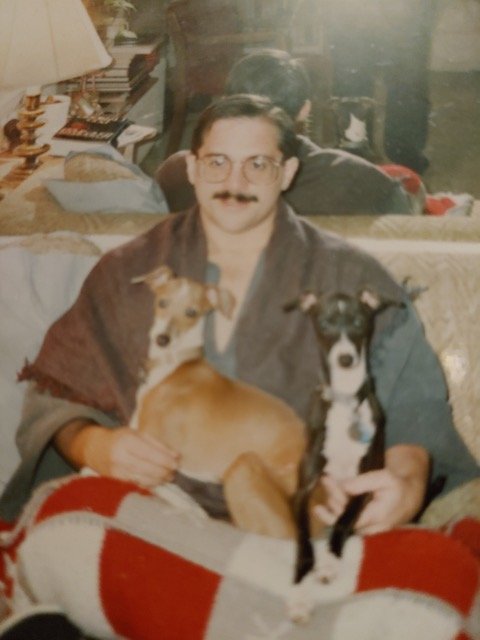
Raymond with dogs

Door of the Jersey City Apartment
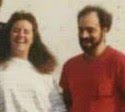
Barbara
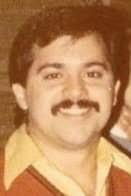
Raymond
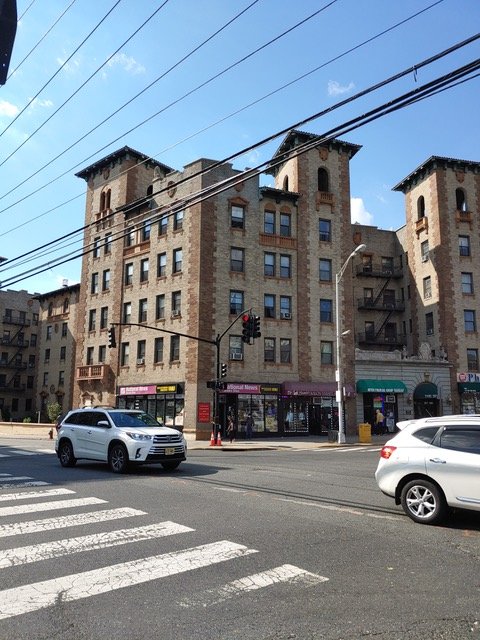
Jersey City Apartment Building
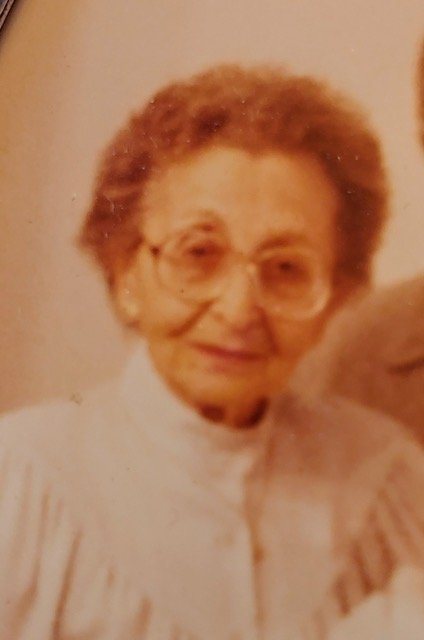
Jim's Grandmother

The Little Cape Cod with Tudor Affectations
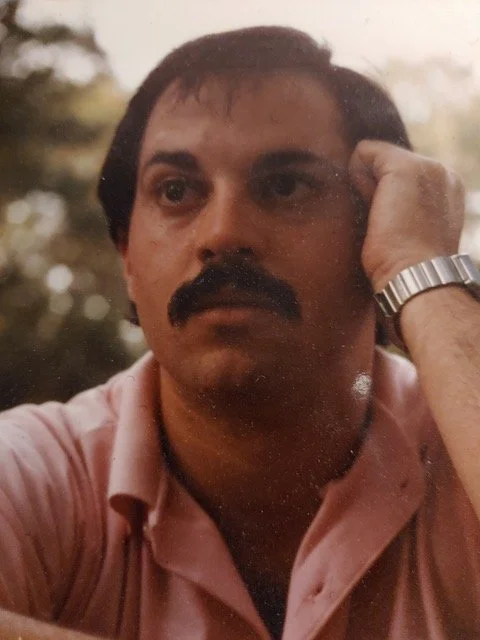
Raymond
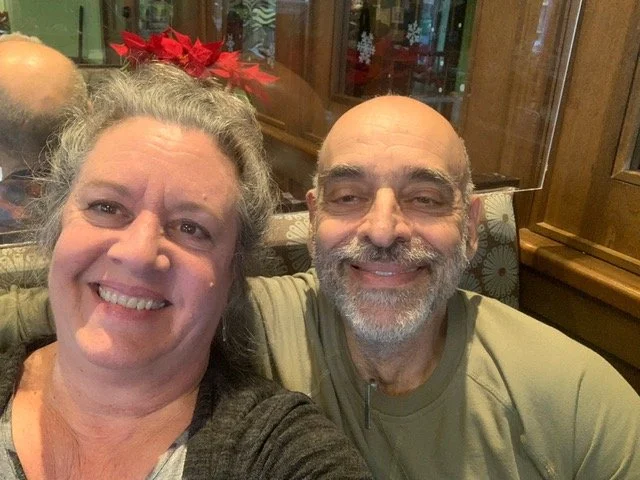
Barbara and Jim in 2023
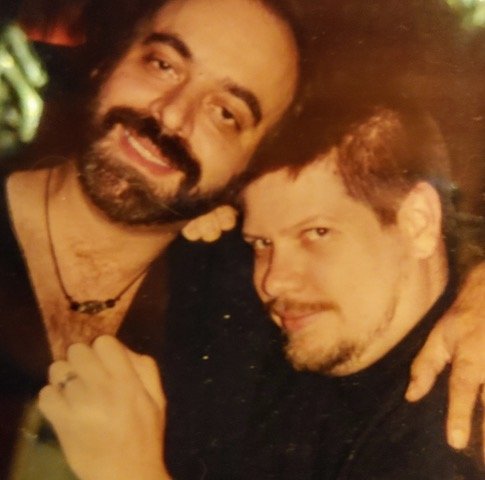
Jim and Jamie in 1991
FRAGMENTS
IS Playing June 18th - july 5th, 2026
saint james place
Cast and creative team
-
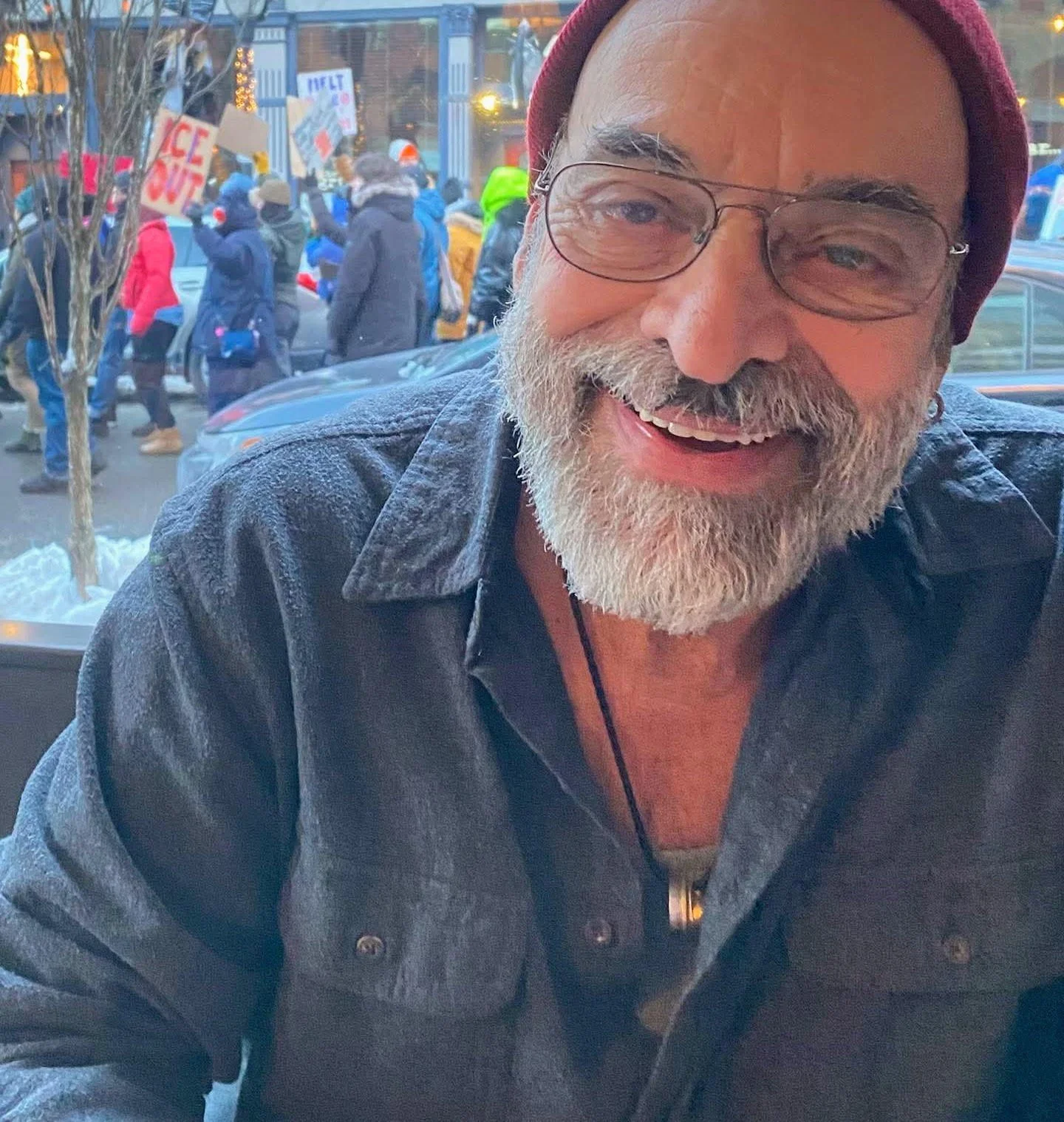
Jim Petosa
James Petosa (Playwright/Performer) is a Professor Emeritus with Boston University's College of Fine Arts. He served as director of the BU School of Theatre from 2002 - 2019 and continued on as a full professor though 2023. He enjoyed a close collaboration with the Boston University Opera Institute, for which he taught and directed for 20 years. He also served as artistic director of the New Repertory Theatre from 2012 - 2019, the Boston Center for American Performance (BCAP) from 2009 - 2019, and as a co-artistic director for the Potomac Theatre Project and PTP/NYC from 1987 til the present. He also served as Artistic Director for the Washington D.C. area’s Olney Theatre Center.
A member of Actor’s Equity Association and the Society of Directors and Choreographers, James is a past President of Stage Source, the New England association of theatre organizations and practitioners and is a current Board member (and past president) of the Berkshire’s Becket Arts Center. He resides in Becket, and Quincy, MA.
-

Judy Braha
Judy Braha (Director) is Artistic Director of Great Barrington Public Theater in the beautiful Berkshires, dedicated to the development and production of new works for the theater. She has been a director, teacher and arts advocate for over four decades. Long-time Head of the M.F.A. Directing Program at Boston University College of Fine Arts, her credits include theaters, prisons and universities throughout New England. With Andre de Quadros, Judy proudly taught for the BU Prison Arts Initiative and Race Prison Justice Arts. Recent Directing: Madame Mozart, the Lacrimosa, Things I Know To Be True, Mr.Fullerton, Dog People (GBPT), Representation and How To Get It (touring to a historic venue near you), The Exonerated, Our Class, Shakespeare In Love (BU/SOT), Mr. Fullerton, Between the Sheets, To Kill A Mockingbird (Gloucester Stage), Golda’s Balcony (New Rep), Flight of the Monarch (Shakespeare+Co.). https://judybraha.squarespace.com/
-

Kaleigh Cerqua
Kaleigh Cerqua (Stage Manager) is an Upstate-NY raised, Berkshires-based stage manager, and she is proud to be one of GBPT's resident artists. Past GBPT productions include How to NOT Save the World According to Mr. Bezos, A Night at the Speakeasy, Dog People, The Stones, among others. Kaleigh has stage managed for companies such as Barrington Stage Company, Syracuse Stage, and NYC's The Tank. In addition to stage management, she has a passion for dance and most recently choreographed the Berkshire School's critically acclaimed production of Hadestown. As always, with love, for Mom and Dad.
-

Jemma Kepner
Jemma Kepner (Lighting Design) is a Berkshires-based lighting technician, programmer, and designer. She is glad to return to GBPT for her second season with them as Head Electrician & Programmer, and first season as Lighting Designer for Fragments. Over the past year, she designed and installed the lighting system for The Great Hall in collaboration with Saint James Place and Down Right Productions. Selected credits: Lighting Designer for 1999 (WAM Theatre); Senior Lighting Technician for Nightwood (Clerestory Light); Lighting Programmer (Jacob’s Pillow). Kepner is a proud member of the International Alliance of Theatrical Stage Employees (IATSE) Local 232 (Amherst/Northampton).
-
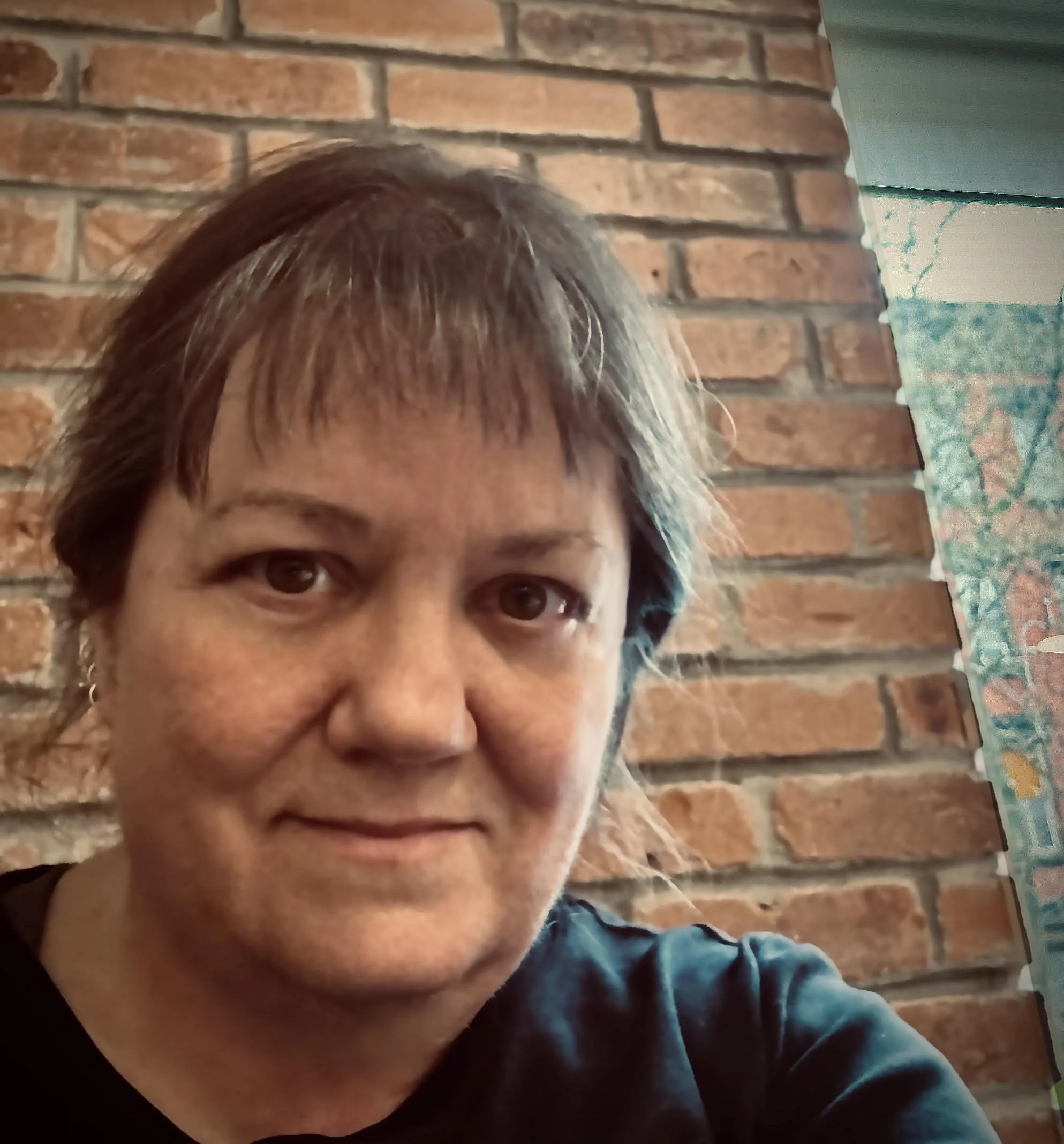
Juliana Von Haubrich
Juliana von Haubrich (Scenic Designer) has designed for Great Barrington Public Theater, Shakespeare & Company, Chester Theater, Berkshire Theatre Group, Barrington Stage Company, The Majestic Theater, CapRep, The Juilliard School, The Acting Company, and Present Company Theater. Juliana has also designed for The Arena Stage in DC, and Dallas Theatre Center. She has a BA in Cultural Anthropology from UofM, and an MFA in Scenic Design from CalArts. She currently teaches at UMass. www.JulianaDesigns.org
-
George Veale
George W. Veale VI (Costume Consultant) has been designing costumes and clothing for theater, television, film, and fashion since 2004. He is a graduate of Bard College at Simon’s Rock and was the Professor of Costume Design in the Theater program there; he also has a degree from London College of Fashion and a Master’s Degree from F.I.T. in Historic Textiles. He has a degree from C.M.U. in Toronto, Canada as well as a degree from Scuola Del Cuoio, Florence. This is George’s 5th season with GBPT.
-
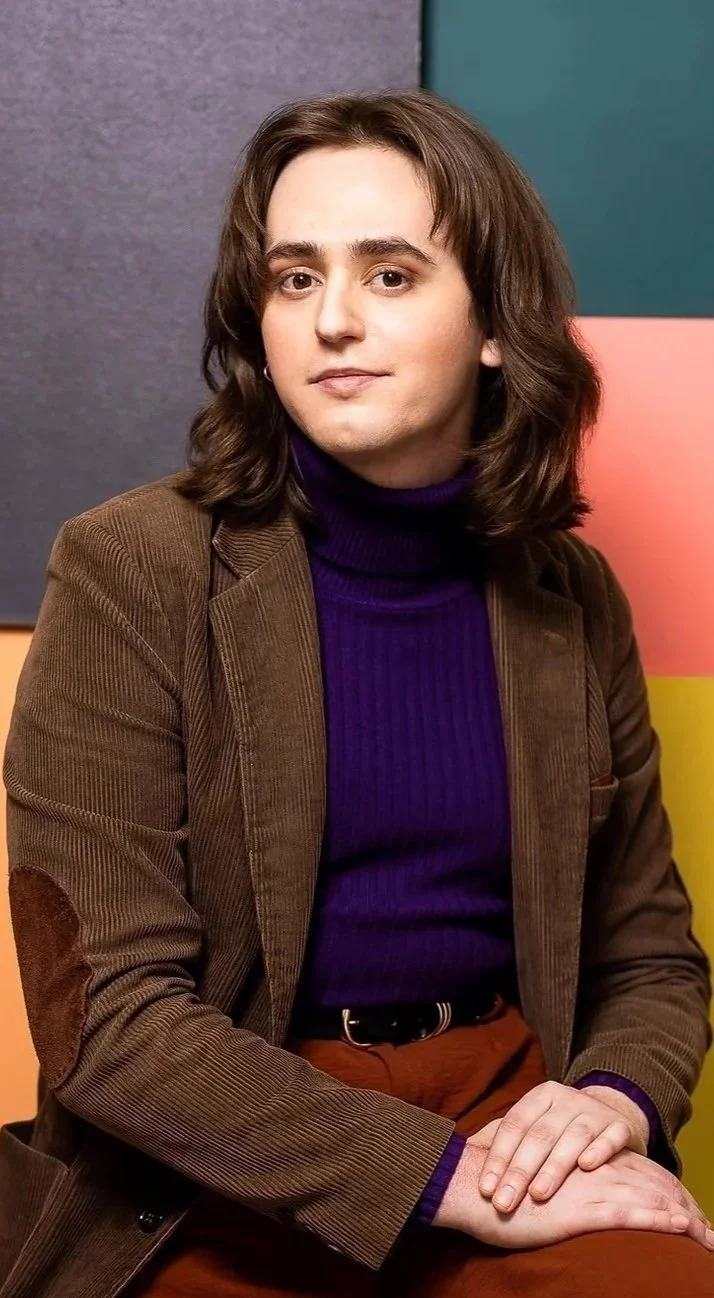
DR. JO MICHAEL REZES
Dr. Jo Michael Rezes (Dramaturge/Dramaturgy Mentor) is a theatremaker, scholar, and educator in Greater Boston. Having held teaching appointments at Boston College, Emerson, and Harvard, Rezes now serves as the Associate Director of Education at The Theater Offensive—leading the True Colors programs for LGTBQIA+ youth. Their TEDTalk, "A Playful Exploration of Gender Performance," is available online. Rezes is a proud Vassar alum and holds a Ph.D. in Theatre & Performance Studies from Tufts University. Learn more: JMRezes.com
-

Bo Violet Vig
Bo Violet Vig (Assistant Director and Young Collaborator) is a Los Angeles-born playwright, director, and actor. A rising junior BFA Theatre Arts Performance student at Boston University, she recently assistant directed two plays by Robert Westfield, A Home Without and A Wedding Album (dir. Clay Hopper) at BU. Bo is particularly passionate about new works. She is currently developing an original play co-written with fellow Young Collaborator Marlo Alexander, which will premiere at GBPT in August. Instagram: @bovioletvig