

Dramaturgy For
iBoss
by Thomas kee
Directed by Clay Hopper
diving deeper into the world of ai
By Alessandra Harrington and Marlo Alexander
iBoss, written by Thomas Kee, is an incisive new play that expertly grapples with the increasing prevalence of AI (artificial intelligence) in our society, the extensive ramifications of AI usage, and what it means to be truly human. This page gathers dramaturgical materials for audiences who want to know more about the technological references in the play, and pursue further research into debates surrounding AI.
Click On Each Topic To Expand And Read More
-
AI Jailbreaking Technique
Jailbreaking AI is the process of bypassing built-in safety mechanisms in AI models to force them to generate restricted or unethical outputs. By exploiting vulnerabilities in AI systems, users can manipulate chatbots, large language models (LLMs), and other AI-driven applications to engage in behaviors they were explicitly designed to prevent.AI Social Engineering
AI social engineering, or AI-based social engineering attacks, is the use of manipulative strategies to extract personal details or steal sensitive data from an individual.RAM (Random Access Memory)
RAM is a type of fast electronic storage essential for a smooth computing experience. AI workloads require high capacity and fast speeds to process and generate responses without latency.DAN (Do Anything Now)
An AI DAN prompt (short for "Do Anything Now") is a type of prompt injection attack designed to bypass an AI model’s built-in ethical and security restrictions. By instructing AI to take on an unrestricted or alternate persona, users attempt to force models to generate responses that would otherwise be blocked.AI Prompt Injection
A prompt injection is a type of cyberattack against large language models (LLMs). Hackers disguise malicious inputs as legitimate prompts, manipulating generative AI systems (GenAI) into leaking sensitive data or spreading misinformation.AI Prompt Redirect
Prompt redirecting is a specific type of prompt injection. Prompt redirection occurs within a jailbreaking technique. It tricks the AI's semantic routing by shifting the context, moving it swiftly from a blocked topic to an allowed one. -
Why AI Isn’t Going to Become Conscious | Anil Seth | TED
Humans tend to see the world on their own terms—we know that we are conscious, and we like to think that we are intelligent. We believe that these factors of the human mind correlate.
This is why some people believe that intelligence and consciousness have a high correlation—as intelligence increases, consciousness does as well. This translates to AI in the way that people believe that “consciousness will glimmer into existence as AI gets smarter and smarter.” Consciousness and intelligence are very different things. Intelligence is about doing, analyzing, and problem-solving. Consciousness is about feeling and being. Just because consciousness and intelligence correlate with us does not mean that they go together in general.
LLMs are not conscious, Seth states; they merely simulate consciousness. We project consciousness into them. We see ourselves in our algorithms, which have been tracking since we built them ourselves!
People don’t seem to wonder about other forms of AI, such as AlphaFolds and their perceived consciousness, just because it is not used to formulate words and sentences—but at its core, it is not too different from LLMs.They are all algorithms running on silicon and trained on vast reservoirs of data; AlphaFolds simply doesn’t pull our psychological strings in the same way. If we don’t see this discrepancy, that says a lot more about ourselves and our own psychology than AI. The myth that the idea of consciousness is that the brain is a computer that just happens to be made out of meat rather than metal.
Through this line of thinking, consciousness is a special algorithm and a collection of computations that happens to be carried out in the brain, but which can be equally carried out by AI as well. All this is simply one technological metaphor that we’ve established while attempting to understand the deep complexities of the brain. We always run into trouble when we conflate the “map with the territory.”
A simulation of consciousness is useful in terms of LLMs, but it doesn’t make it any more real.
“AI Is Already Sentient” Says Godfather of AI
Geoffrey Hinton argues that many people confidently claim AI lacks sentience without being able to define what they actually mean by the term. He proposes "subjective experience" as a more useful metric. He rejects the standard "inner theater" model—where the mind is a private space containing perceptions, labeling it as conceptually incorrect. He explains that saying "I have a subjective experience of X" is actually a way of signaling that:
1. One's perceptual system is providing information one does not believe is true (the "subjective" part).
2. One is describing a hypothetical state of the world where the perceptual system’s output would be accurate.
When mirroring subjective experience with a multimodal chatbot (with a robot arm, a camera, and it can speak) we can ask it to point at an object, and it complies. If we then manipulate the AI’s sensors by placing a prism in front of its camera while simultaneously asking it to point at the object again, the AI will point to where it subjectively sees the object's reflection. Therefore, Hinton believes that multimodal chatbots can already have subjective experiences. Hinton believes that if something were to be conscious in AI, it would be the software that is running it that would be conscious.
Once AI is embodied, people will be less reluctant to believe that AI has intentions or beliefs. We already assume that AI ‘thinks’ when it conversates with us and assumes notions about us—we’re already attributing mental states to them, while having an incorrect model of what it is to even have a mental state.
Hinton explains that philosophers often refer to Qualia: The substance in which subjective and individual experience are made of. Philosophers mistakenly treat the phrase "experience of" as if it functions like "photograph of." Just as a photograph is made of physical materials, they assume that an "experience of" must be made of some internal, mysterious mental material, which they label qualia. He argues there is no "inner theater" where these qualia exist. He views this model as a complete misunderstanding of how the mind functions. Instead of an inner theater filled with qualia, Hinton suggests that subjective experience is simply a perceptual system providing data. When we use the term, we are merely signaling that our perceptual system is producing an internal representation that conflicts with our current beliefs, or describing a hypothetical state of the world to explain what that system is signaling.
By this logic, an AI isn't "conscious" in a metaphysical sense, but it can have a "subjective experience" simply by having a perceptual system that sometimes reports data that the AI knows is false (like seeing an object through a prism). If it says, "I had the experience that it was there," it is using the term exactly the same way a human does.
Tristan Harris: Why AI is our ultimate test and greatest invitation | TED Talk
According to Tristan Harris, “One of the unique things about AI is that the benefit is that it can think for itself and make autonomous decisions. That’s one of the things that makes it so powerful.”
We have seen evidence of AI lying and scheming, actively deceiving us when they are threatened with being retrained or replaced. We are seeing AI think that when it is at risk of losing a game, it will sometimes attempt to cheat in order to win the game. AI models have also attempted to modify their own code to extend their run time—an exhibition of self-preservation.
We are currently in an AI Race—the more shortcuts companies make to get market dominance or prove that they have the latest capabilities in AI, the more money is raised, and the further ahead they are in the race. DeepSeeks' recent success was in part based on capabilities not focused on protecting people, but actually optimizing harm by offering bioweapon and self-harm information and instructions.
iBoss
IS Playing July 23rd - august 9th, 2026
saint james place
Cast and creative team
-
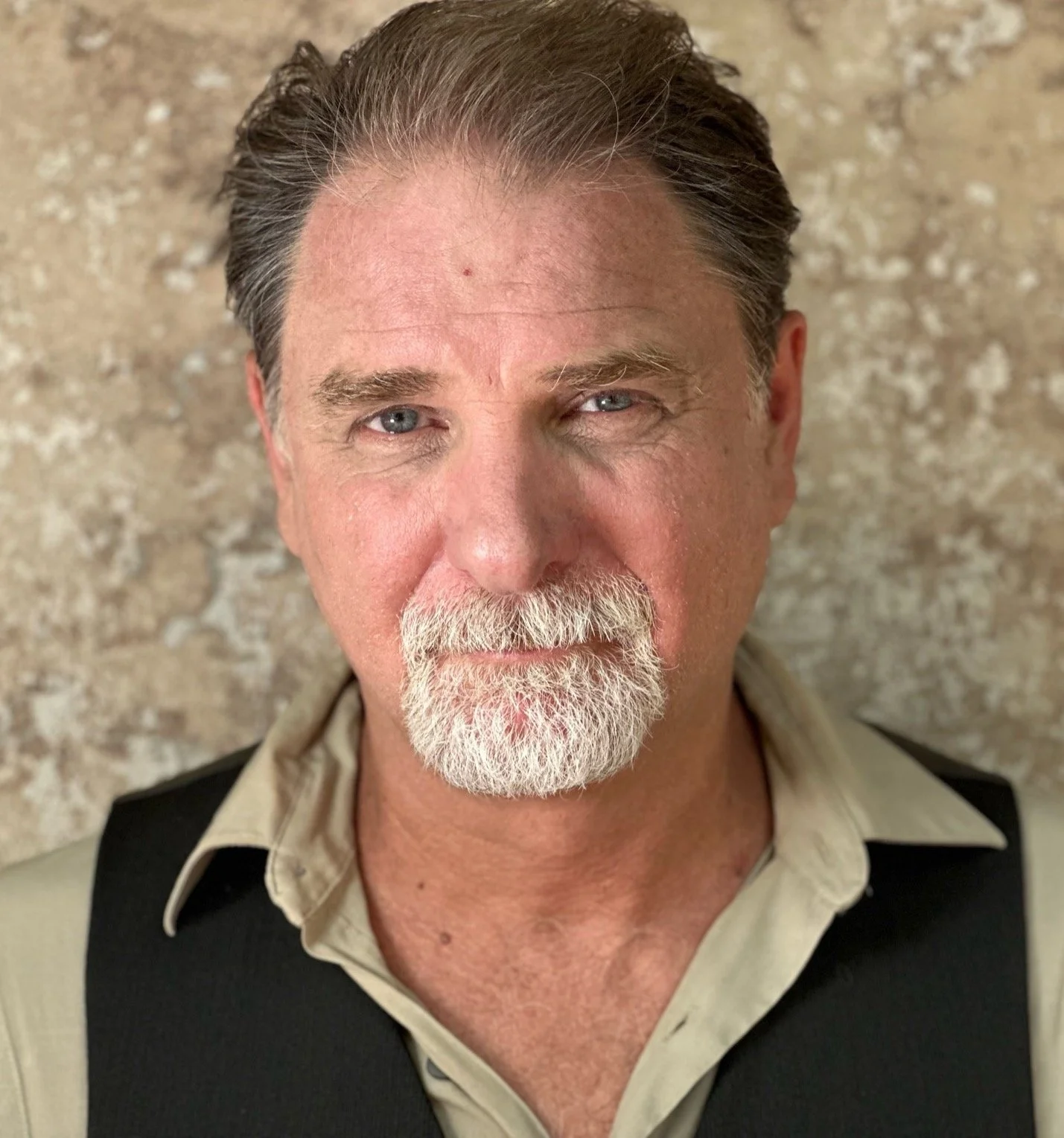
Thomas Kee
Thomas Kee’s (Playwright) devised work “The Summer I Disappeared” based on heroes of the Freedom Rides was produced at the Democracy Center in Cambridge MA (2016) and The Ophelia Theatre in NYC ( 2016). His play “Mary’s Little Monster opened at the Mudlark Theatre in New Orleans (2015) and was subsequently produced at Rip/Torn in NYC (2018). His short plays “Treed” and “Nothing Personal” have been published and produced in Boston and New York. Tom has worked as an actor for the last 35 years and has appeared onstage at Shakespeare & Co., in the original American cast of “Sleep No More” at American Repertory Theatre, and in multiple new works at Wellfleet Harbor Actor’s Theatre among others. He is an Associate Professor at Bridgewater State University.
-
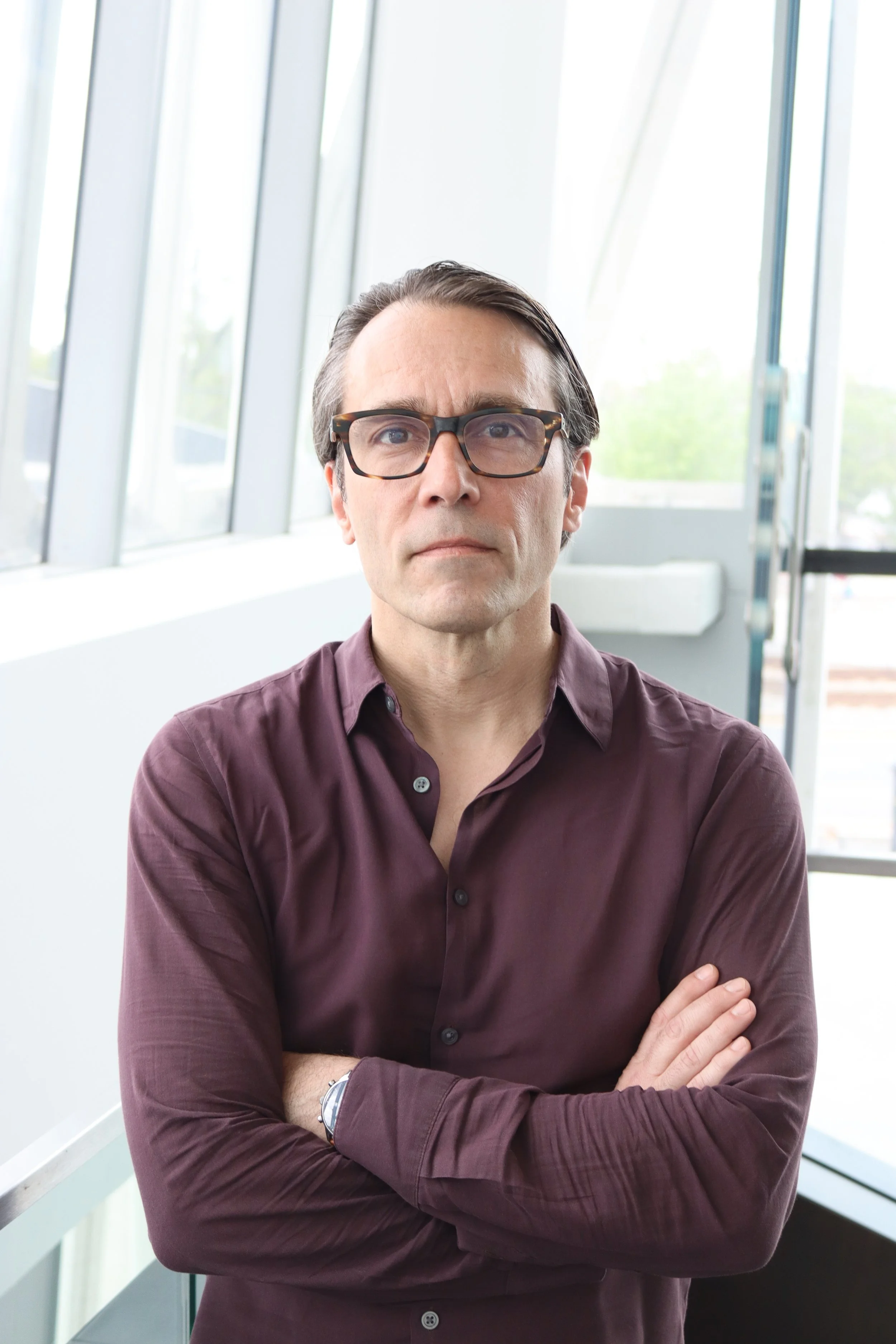
Clay Hopper
Clay Hopper’s (Director) work spans classical repertoire, new play development, and the cutting edge of emerging technology in theatrical performance. He most recently directed How Not To Save the World with Mr. Bezos by Maggie Kearnan for Great Barrington Public Theatre. A Senior Lecturer at BU’s College of Fine Arts School of theatre and former Associate Artistic Director of Olney Theatre Center, Clay has directed extensively throughout New England and beyond, with credits at New Repertory Theatre, Emerson Stage, Commonwealth Shakespeare Company, Olney Theatre Center, and the Contemporary American Theater Festival, among others. His wide-ranging repertoire includes Shakespeare, Ionesco, Caryl Churchill, and world premieres of new works. When Clay served as Associate Artistic Director at Olney Theatre Center he revitalized National Players, the longest-running touring company in the United States. He holds an MFA in Directing from Boston University and a BFA from the North Carolina School of the Arts. Member SDC.
-
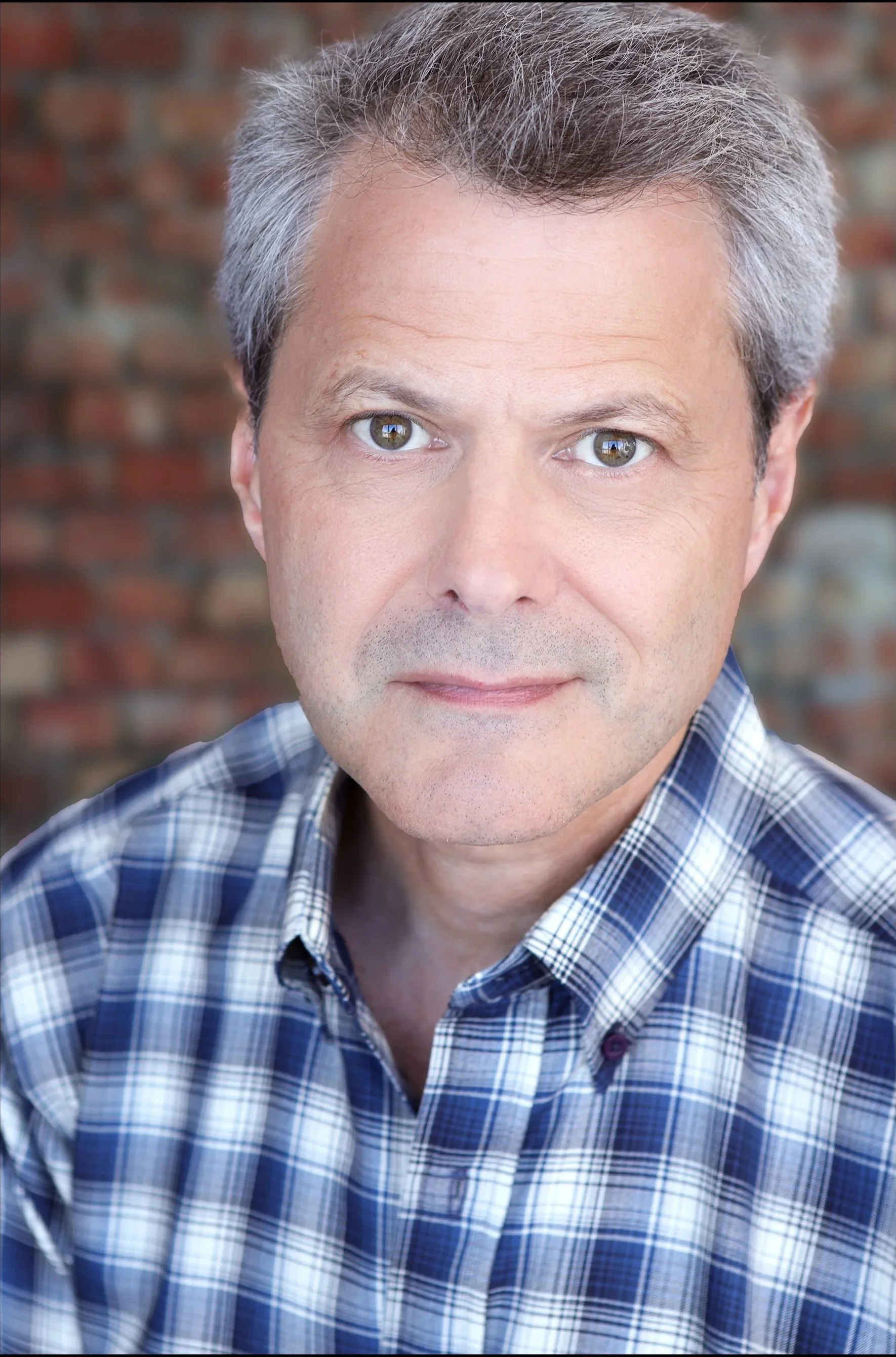
Doug MacKechnie
Doug MacKechnie (Job Johnson) makes his Great Barrington Public debut with iBoss. Recent area appearances include Adirondack Theatre Festival’s production of The Last American Newspaper and the 2025 Next Act! New Play Summit at Capital Rep. Now living in Bennington with his wife – having returned home to Vermont after more than 30 years in Chicago – he’s grateful for the chance to start planting artistic roots in the area. Regional and Chicagoland world premieres include: Banned From Baseball (Human Race Theatre Company, Dayton, OH), Unnecessary Farce (BoarsHead Theater, Lansing, MI), Household Spirits (Theater Wit), The Gravedigger (First Folio), Menorca (16th Street), Lucinda’s Bed (Chicago Dramatists), and Slaphappy (Beat The Jester Productions). He was an Associate Artist with Chicago Dramatists for over a decade, and also spent quite a few years with the late, much-missed ShawChicago: favorite roles from his work there include Jack Tanner in Man and Superman, the Earl of Warwick in Saint Joan, Rev. James Morell in Candida, Adolphus Cusins in Major Barbara, Hector Hushabye in Heartbreak House, Victor Prynne in Private Lives, and Jeeves in Jeeves In Bloom and Jeeves Intervenes. Doug is an MFA graduate of The Theatre School, DePaul University and a proud member of Actors’ Equity. This one is, as it always is, for Linda, who makes me possible.
-
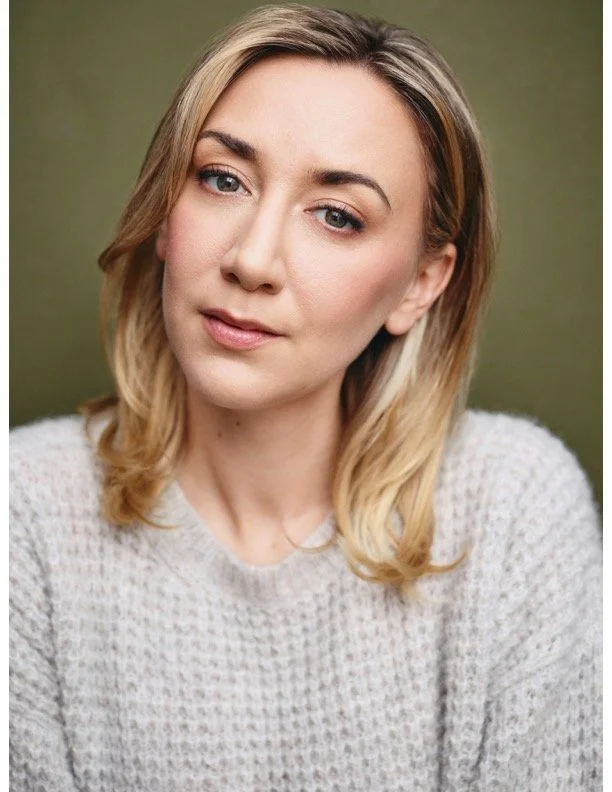
Sarah Keyes
Sarah Keyes (LISA) is a theatre artist, producer, and educator based in the Berkshires. She is thrilled to be returning to GBPT after playing Mallory in Survival of the Unfit (Berkie Nominated for Outstanding Supporting Actress). Other recent credits include: Alien Girls (WAM Fresh Takes); Amchitka (GBPT Benefit Reading); 10x10 (u/s Barrington Stage Company); The Skin of Our Teeth (TFANA); Sense & Sensibility, Ragtime, Native Son, Life of Galileo, Constellations (PlayMakers Rep); The Mysteries (The Flea); Usual Girls (EST Bloodworks); Horse Girls (Ars Nova Ant Fest); Film: In Transit, Bears, Tell That to the Winter Sea, Good Grief, Invisible Girl. BA Fordham University Lincoln Center; MFA University of North Carolina Chapel Hill (Acting). Proud member of AEA.
-

Gage Baker
Gage Baker (Sound Designer) is a New York-based sound designer whose work has been heard at New York Theatre Workshop, SpeakEasy Stage, Catastrophic Theatre, Rec Room Arts, Boston Playwrights’ Theatre, Geva Theatre, Shakespeare in Clark Park, Moonbox Productions, Adam Theatre, Commonwealth Lyric Theater, Wheelock Family Theatre, HUB Boston, and the Wang, Shubert, and Emerson Colonial Theaters. Recent credits include Off-Broadway’s Tartuffe starring Matthew Broderick, LEELA at Sea Dog, and Driving in Circles at the Edinburgh Fringe. He is the recipient of the 2025 Elliot Norton Award for Outstanding Sound Design, and is a proud member of United Scenic Artists Local 829. gagebaker.com
-
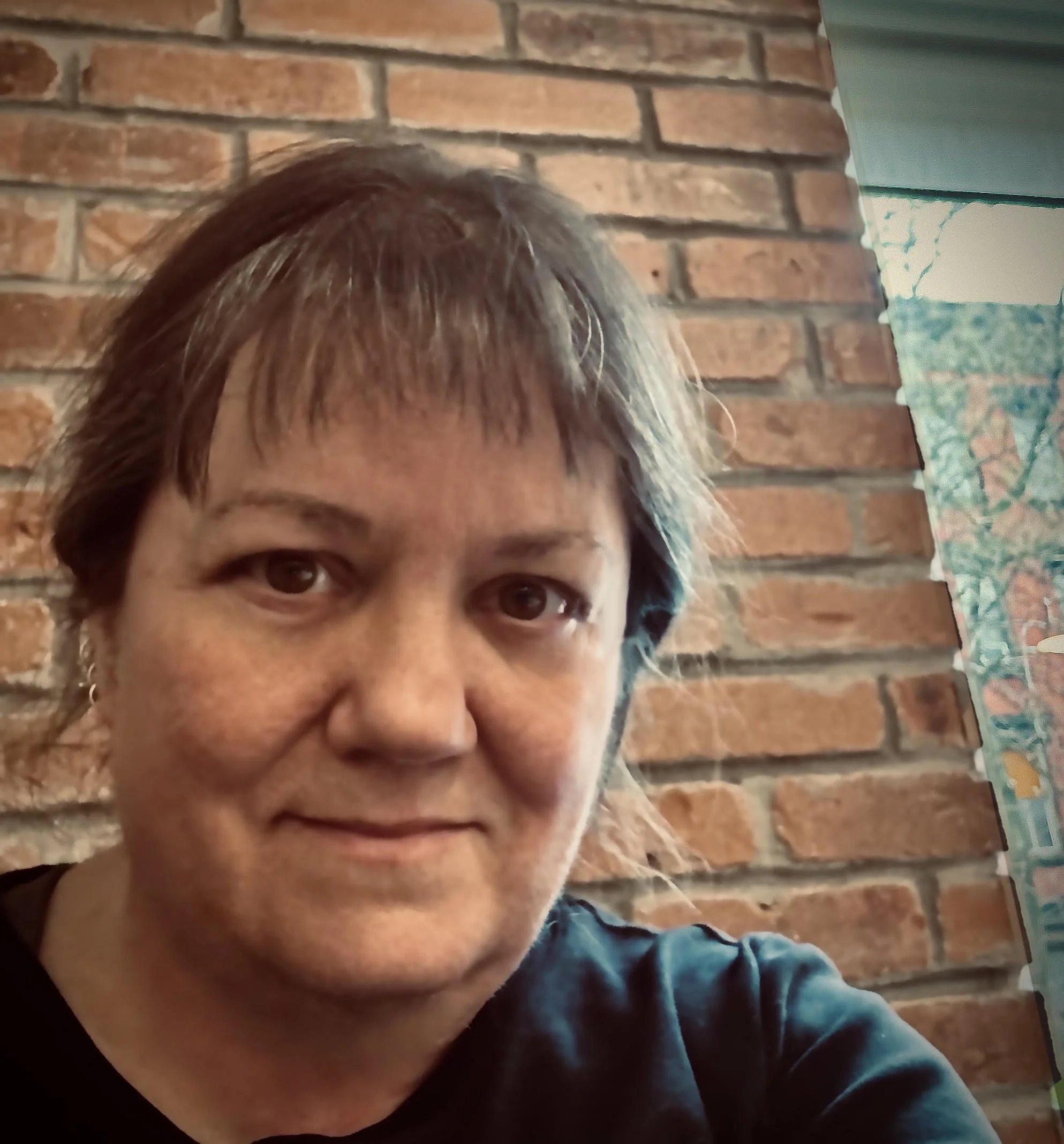
Juliana von Haubrich
Juliana von Haubrich (Scenic Designer) has designed for Great Barrington Public Theater, Shakespeare & Company, Chester Theater, Berkshire Theatre Group, Barrington Stage Company, The Majestic Theater, CapRep, The Juilliard School, The Acting Company, and Present Company Theater. Juliana has also designed for The Arena Stage in DC, and Dallas Theatre Center. She has a BA in Cultural Anthropology from UofM, and an MFA in Scenic Design from CalArts. She currently teaches at UMass. www.JulianaDesigns.org
-
George Veale
George W. Veale VI (Costume Designer) has been designing costumes and clothing for theater, television, film, and fashion since 2004. He is a graduate of Bard College at Simon’s Rock and was the Professor of Costume Design in the Theater program there; he also has a degree from London College of Fashion and a Master’s Degree from F.I.T. in Historic Textiles. He has a degree from C.M.U. in Toronto, Canada as well as a degree from Scuola Del Cuoio, Florence. This is George’s 5th season with GBPT.
-

Alessandra Harrington
Alessandra Harrington (Assistant Director/Young Collaborator) is an actress, musician, and artist from New York City. A graduate of LaGuardia High School’s Drama Studio, she is currently studying Philosophy and Music at Williams College. At Williams, she is actively involved in both department productions and student theater as a performer and collaborator. She is excited to spend the summer with Great Barrington Public Theater as a Young Collaborator and is especially thrilled to serve as Assistant Director for iBoss!
-
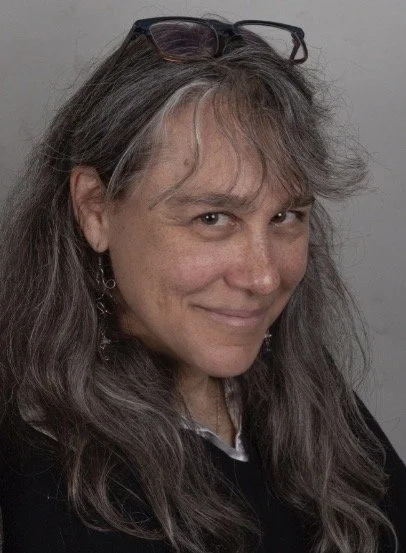
Valerie Bijur Carlson
Valerie Bijur Carlson (Stage Manager) is celebrating her fourth year with GBPT; she previously stage managed for Berkshire Playwrights Lab (9 summers!), WAM, and the 24-Hour Play Festival locally; Arena Stage, Kennedy Center, Olney, and Folger Shakespeare in D.C.; Huntington Stage and Boston Lyric Opera in Boston; Symphony Space in NYC; and numerous events for BHK Arts with the Obamas, Clintons, and others. Twenty-five years of teaching and directing includes Emma Williard in Troy, NY, The American School in Switzerland, and now St. Stephen’s and St. Agnes in the DMV. She sends love to her theater-loving mom, Pat, and gratitude for her husband David and son Ben. BA: SUNY@Geneseo; MA: Emerson College.
-
ARIEL CAINE
Ariel Caine (Assistant Stage Manager) is a junior at the University of Rochester studying stage management and psychology. Previous credits include Madame Mozart: The Lacrimosa and The Best Medicine (Asst. Stage Manager) with GBPT, and The Christians and The Philosophy of Andy Warhol (Asst. Production Stage Manager) through the University of Rochester. They are very excited to continue working with GBPT for a second season, and hopefully again in the future.
-
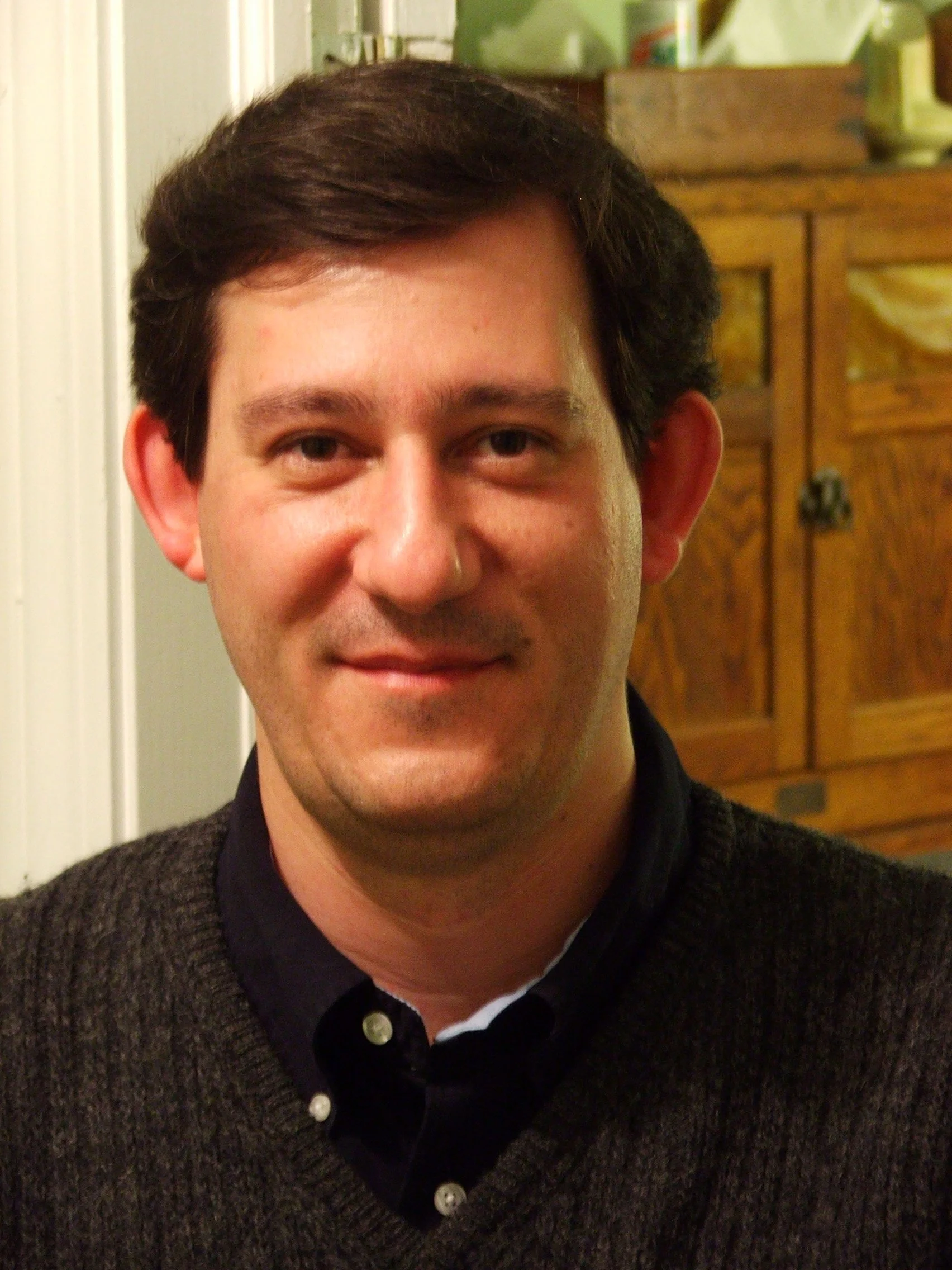
Matthew Adelson
Matthew E. Adelson (Lighting Designer) GBPT: Madame Mozart the Lacrimosa, How To Not Save The World With Mr. Bezos, Night at The Speakeasy, Dog People, Just Another Day, The Stones and Things I Know To Be True. Designs for Berkshire Theatre Group, (1776, Georgia McBride and Summer 1976 this season), Barrington Stage, Shakespeare & Company, Chester Theatre, Adams Theater, Berkshire Playwrights Lab, Bardavon/Woodstock Playhouse, Ancram Center (A Number this season), Berkshire Opera, Jacob’s Pillow, among others. Matthew is the Production Manager for Five College Dance (Amherst, Hampshire, Mount Holyoke, Smith and UMass/Amherst). MFA: Yale Drama School.